product
Shield Web
Govern browser-based AI workflows without slowing engineers or blocking approved tools.
For AI & Engineering Teams
Security review slows every AI release. Qadar AI gives engineering teams runtime controls, policy enforcement, and audit trails — so you ship fast and stay compliant.
Every risk and the control that answers it — side by side, from detection to enforcement.
Every AI feature release requires a security review cycle. Security teams do not have the tools to evaluate AI-specific risks, so reviews take weeks and block shipping.
Ship with built-in guardrails
Qadar AI provides the runtime control layer that security teams can audit independently. Ship AI features with policy enforcement already in place — no separate review bottleneck.
Development and production environments have different AI policies, but there is no consistent way to manage, version, or promote policy changes across environments.
Environment-aware policy management
Shield Control supports per-environment policy rules with version history and staged rollout. Promote policy from dev to staging to production with full audit trail.
AI agents make tool calls and take actions, but your observability stack does not capture agent-level decision traces. When something goes wrong, you cannot reconstruct what happened.
End-to-end agent tracing
Shield Web and Shield Control provide canonical trace IDs and structured agent audit logs. Every tool call, decision, and action is traceable across the full agent lifecycle.
Developers and AI agents make API calls to model providers without centralized visibility or policy enforcement. New models and providers appear in production without governance.
API-level policy enforcement
Qadar AI enforces policy before every API call reaches the model. Agent tool-use controls and provider-agnostic enforcement mean no unauthorized calls reach production models.
Capabilities
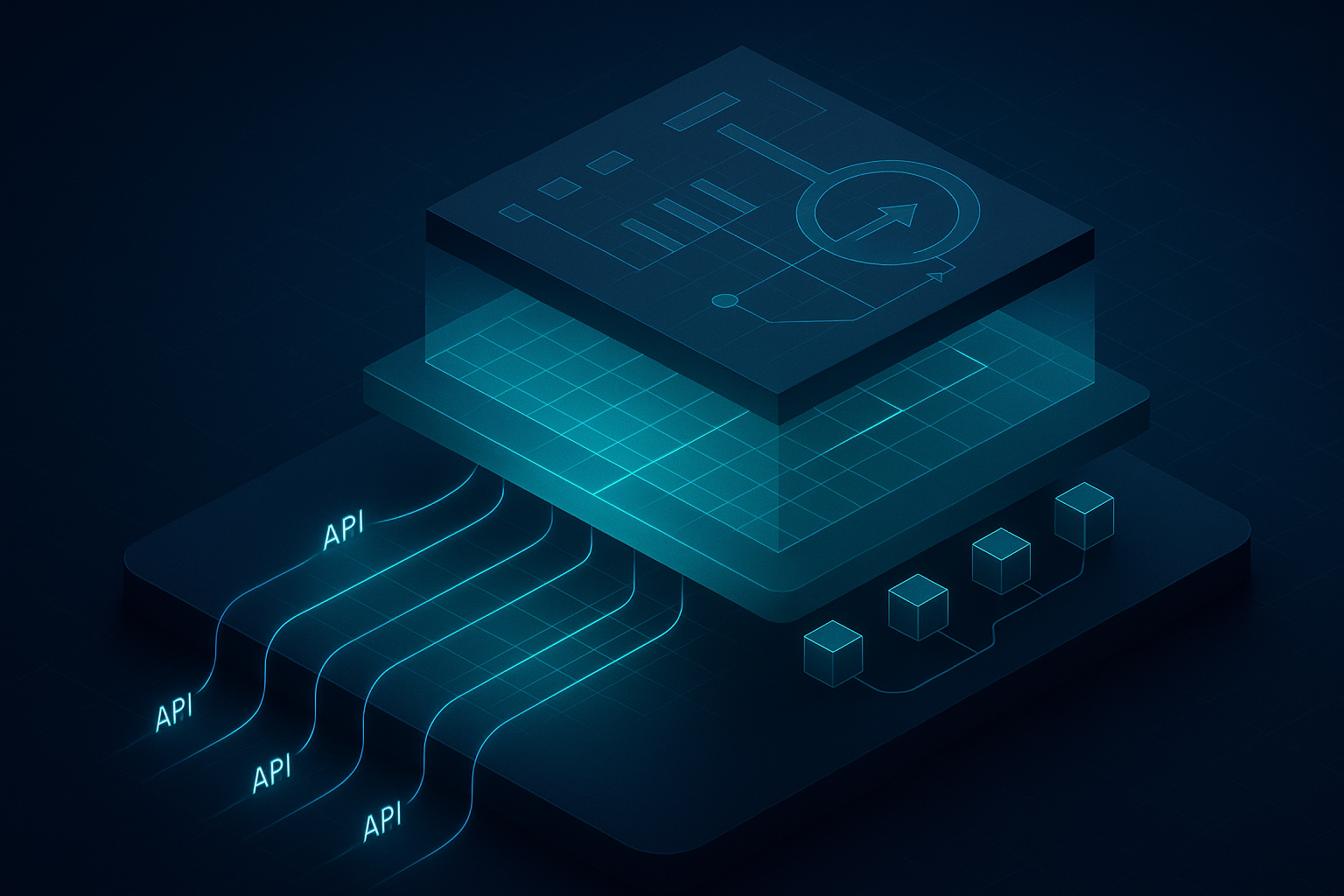
Point your AI API calls through Qadar AI with a single endpoint change. No SDK changes, no code refactoring, no replatforming. Policy enforcement starts immediately.
Define policies as YAML bundles that live alongside your code. Version, review, and deploy policy changes through your existing CI/CD workflows.
Every AI interaction gets a canonical trace ID that connects the request through policy evaluation, model call, and response. Trace agent behavior across tool calls and sessions.
Define per-agent and per-tool policies for AI agent interactions. Control which tools agents can access, what data they can read, and what actions they can take.
Maintain separate policy configurations for development, staging, and production environments. Promote policy changes through environments with version history and approval gates.
Qadar AI works across AI providers — OpenAI, Anthropic, Google, and others. One control layer governs all model interactions regardless of provider.
FAQ
Questions engineering teams ask us
FAQ
Minimal. For API-based AI usage, point your endpoint to Qadar AI. For browser-based tools, deploy the Shield Web extension through your device management. No SDK changes or code refactoring required.
Yes. Policies can be defined as YAML bundles and managed through your existing version control and CI/CD workflows. Changes are versioned, reviewable, and promotable across environments.
Policy evaluation adds single-digit millisecond latency. The enforcement layer is designed for production AI workloads where latency matters.
Qadar AI is provider-agnostic. One policy layer governs all AI interactions regardless of provider. You can set per-provider policies, model allowlists, and usage controls from Shield Control.
Policies are versioned YAML bundles with per-environment rules. Test changes against your development and staging configurations, review them like code, and promote to production with full version history and rollback.
Qadar AI is built EU-sovereign: data residency controls, redacted-body logging, and processing designed for GDPR alignment. Prompt content is classified at the point of interaction — you control what gets logged and where it lives.
product
Govern browser-based AI workflows without slowing engineers or blocking approved tools.

product
Control desktop AI apps, clipboard flows, and local model usage at the endpoint.
product
Enforcement model, latency posture, and fail behavior — documented for engineers.
A product and security specialist will reply within one business day