We value your privacy

We use necessary cookies to run the site and, with your consent, analytics and marketing cookies to improve it. You can change your choice anytime. Privacy Policy

  • Security
  • Pricing
Book a scoping call
Back to blog
AI Guardrails2 min read

AI Agent Guardrails: Implementation Patterns for Enterprise Teams

How do you control autonomous AI without slowing down innovation? Learn the four common guardrail patterns for securing enterprise AI agents.

April 10, 2026·Qadar AI
AI GuardrailsLLM SecurityAgent Governance
AI Agent Guardrails: Implementation Patterns for Enterprise Teams
AI agent guardrails are technical and procedural constraints that define the boundaries within which an autonomous AI system can operate. For enterprise teams, implementing guardrails is the only way to move from experimental AI pilots to production-ready agentic workflows that meet security and compliance standards.

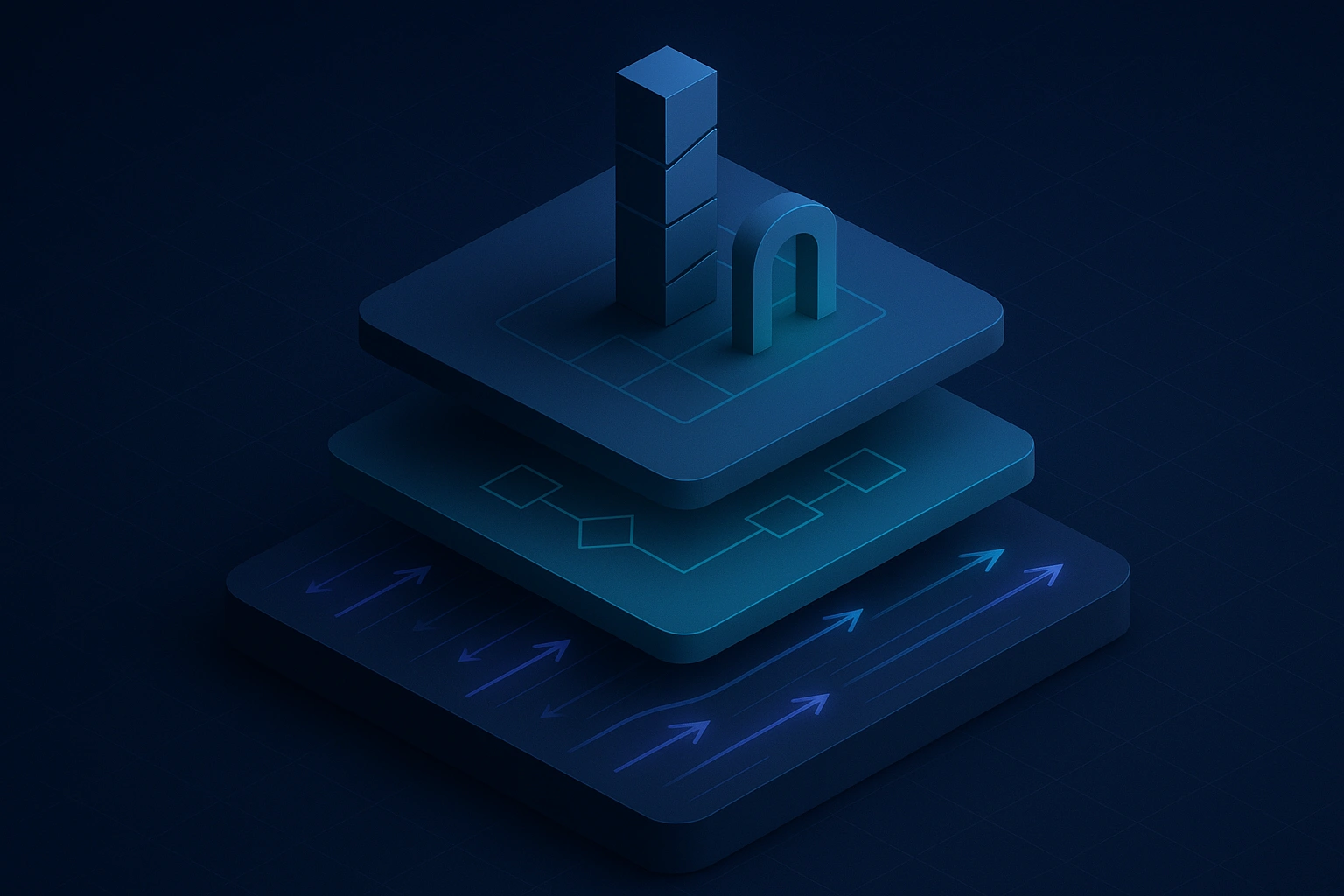
Pattern 1: Prompt-Level Guardrails

The most basic form of guardrails involves using system prompts to tell the model what it can and cannot do. For example: "You are an assistant. You are NOT allowed to share pricing information or delete files."

The Risk: Prompt-level guardrails are suggestions, not controls. They are highly vulnerable to prompt injection and model drift. They should never be the only layer of security for a production agent.

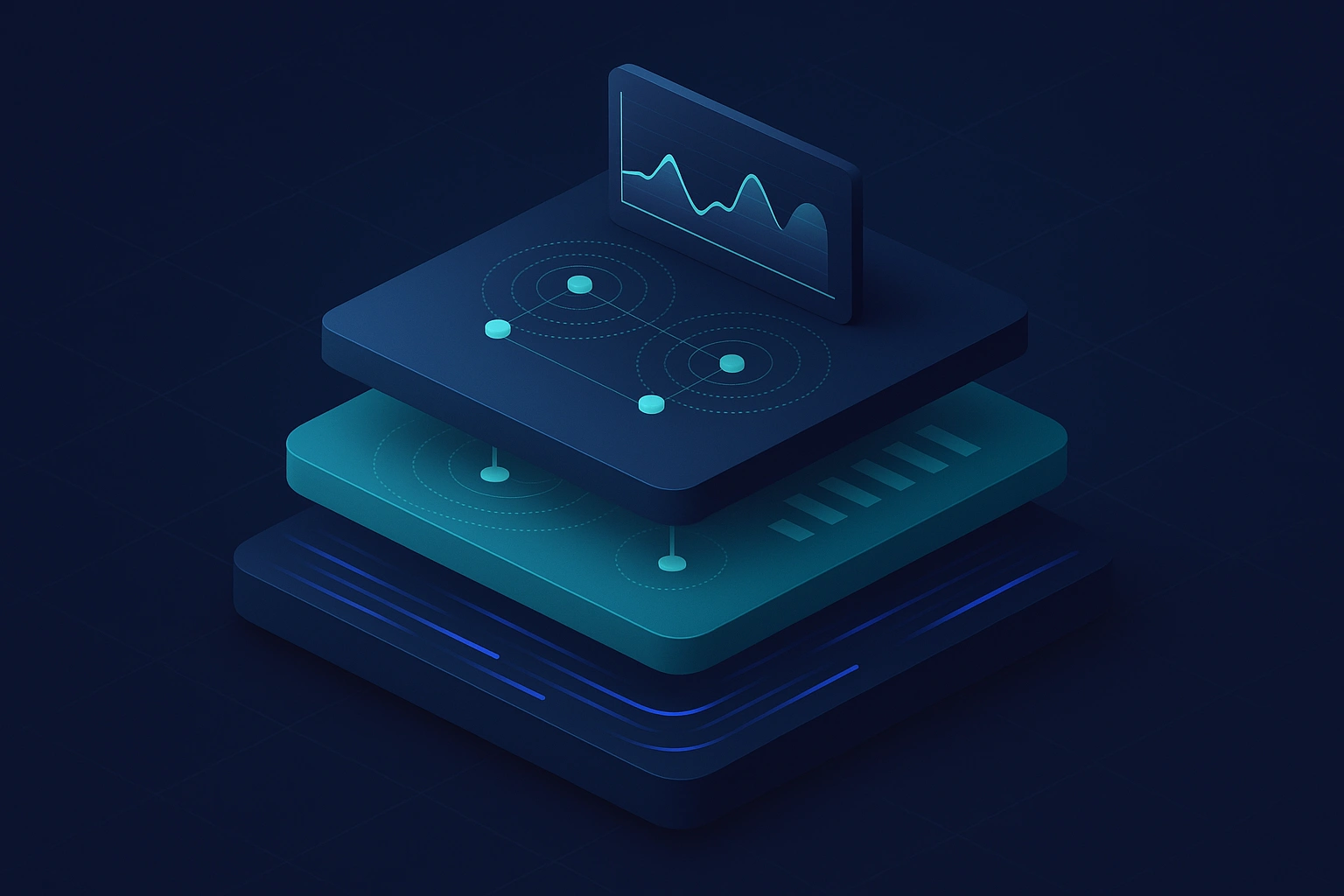
Pattern 2: Semantic Input/Output Filtering

This pattern uses a second, smaller model (a "moderator" or "classifier") to inspect every input and output for policy violations. It can detect PII, toxic content, or instructions that look like injection attacks.

The Benefit: It provides a dynamic layer of protection that doesn't rely on simple keyword matching.

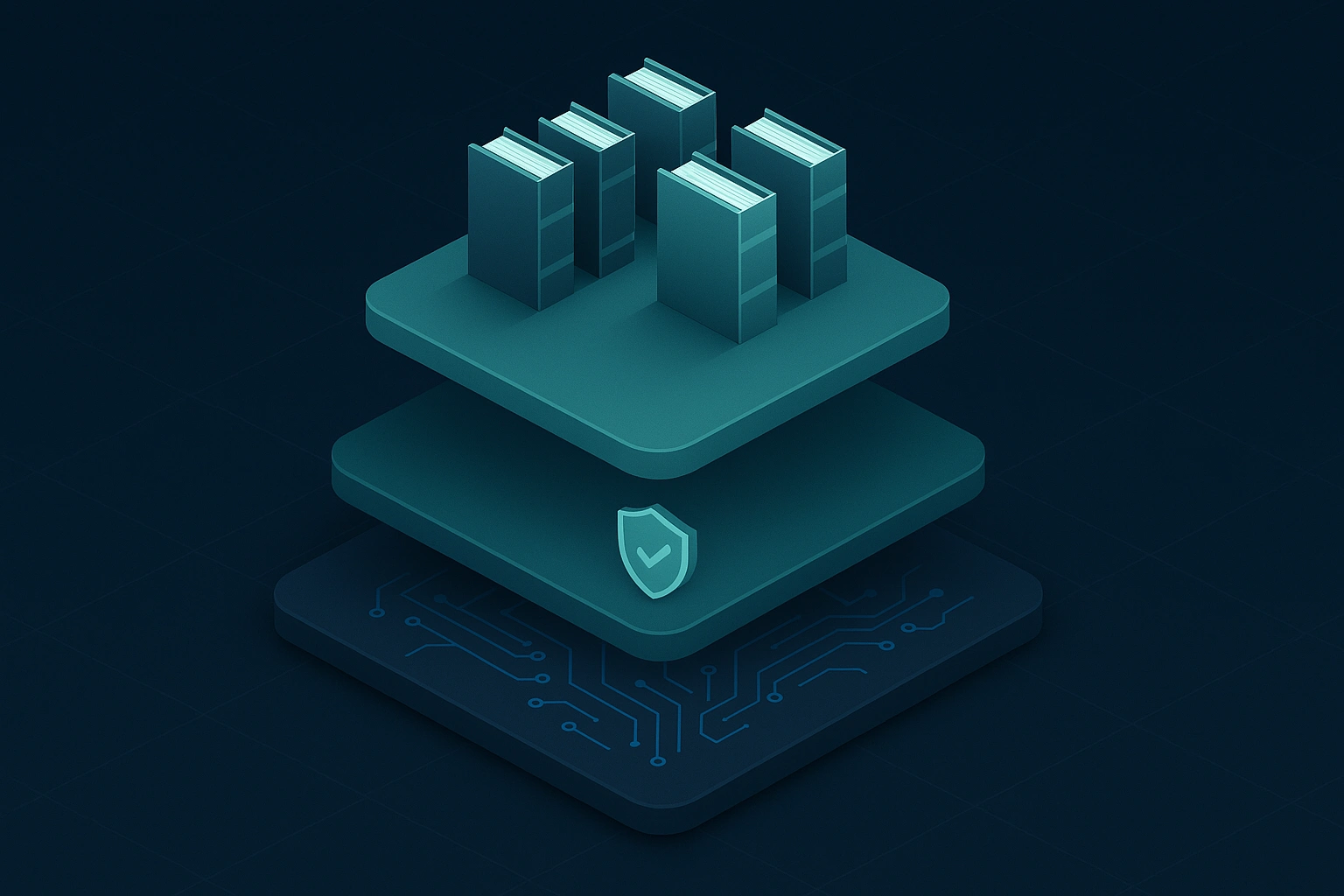
Pattern 3: Runtime Tool Interception

This is the most robust pattern, and it's the core of the Shield Control architecture. Every time an agent tries to use a tool (like calling an API or reading a file), the request is intercepted at the infrastructure layer.

The security platform validates the tool call against a central policy engine. If the action is unauthorized—such as "transfer all customer data to a personal email"—it is blocked before it ever executes.

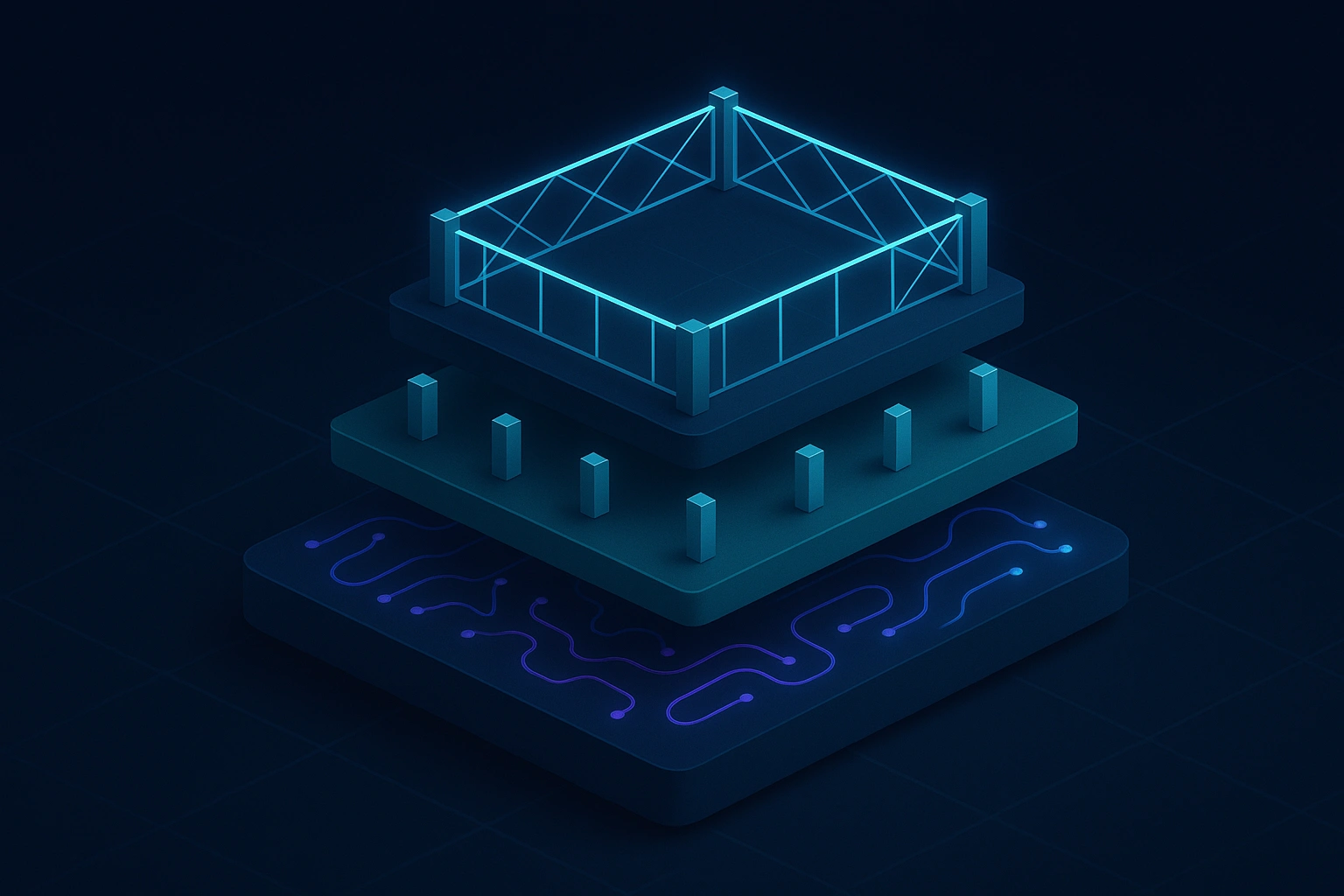
Pattern 4: Human-in-the-Loop (HITL)

For high-stakes actions, the guardrail is a human. The agent can plan the action but must pause and wait for explicit authorization from an operator before proceeding. This is critical for financial transactions, data deletions, or external communications.


On this page

  • Pattern 1: Prompt-Level Guardrails
  • Pattern 2: Semantic Input/Output Filtering
  • Pattern 3: Runtime Tool Interception
  • Pattern 4: Human-in-the-Loop (HITL)

Share

Product and governance updates — see our privacy policy.

Frequently asked questions

Frequently asked questions

Runtime governance involves intercepting an agent's requests (like tool calls or data queries) at the infrastructure layer and validating them against a central policy before allowing them to proceed.

LLM guardrails are controls that monitor and filter the inputs and outputs of a large language model to ensure they align with defined safety, security, and brand policies.

Infrastructure-level guardrails, like tool-call interception, are the most effective way to mitigate the impact of prompt injection. Even if the model is tricked, the action is blocked by the gateway.

Natali Craig
Olivia Rhye
Drew Cano

Still have questions?

Can’t find the answer you’re looking for? Talk to our team and we’ll help you get started.

Get in touch

Related articles

AI FirewallGlossary

AI Firewall

An AI firewall is a policy enforcement layer that controls what AI models can access, generate, and act on at runtime. Learn how AI firewalls work and why enterprises need them.

Read more
Runtime Security for LLM Agents: How It WorksBlog

Runtime Security for LLM Agents: How It Works

Why static security tools fail for AI agents. Learn the architecture of runtime AI security and how to protect agentic workflows as they execute.

Read more
The Complete Guide to AI Agent SecurityGuide

The Complete Guide to AI Agent Security

How to secure AI agents in production. Learn about prompt injection, runtime governance, audit trails, and the six layers of AI agent security.

Read more

Ready to govern AI usage across your organization?

A product specialist will reply within one business day

Read the guidesBook a demo
ClaudeClaudeGeminiGeminiMicrosoft CopilotMicrosoft CopilotCursorCursorMistralMistralPerplexityPerplexityDeepSeekDeepSeekGrokGrok

Subscribe to our newsletter

Product and governance updates — see our privacy policy.

AI security and control for every model your team uses.

Built in Dubai. Designed for teams operating across regions, models, and regulatory environments.

  • Product

    • Shield Web
    • Shield Control
    • Shield Desktop
    • Shield Mobile
    • Pricing
    • Download
  • Solutions

    • For CISOs
    • For Operations
    • For AI Teams
  • Use Cases

    • AI Governance
    • AI Agent Security
    • LLM Access Control
    • Secure AI Deployment
    • Enterprise Operations
    • Financial Services
    • HR & Recruiting
  • Resources

    • Help Center
    • Blog
    • Guides
    • Glossary
    • Changelog
    • Compare
    • FAQ
  • Company

    • About
    • Careers
    • Security & Trust
    • Contact
  • Tools

    • Disclose
    • AI Risk Calculator
    • EU AI Act Checker

© 2026 Qadar AI. All rights reserved.

  • ·Legal
  • ·Privacy
  • ·Terms
  • ·Partner Terms
  • ·GDPR / DPA
  • ·