Was GRC bedeutet
GRC ist eine Disziplin, kein einzelnes Tool. Es beschreibt, wie eine Organisation ihre Aktivitäten an ihren Zielen ausrichtet und dabei innerhalb der Grenzen akzeptablen Risikos und geltender Regeln bleibt. Das Akronym fasst drei etablierte Funktionen zusammen, die schon immer existierten, historisch aber isoliert gemanagt wurden.
Governance
Governance ist das System der Steuerung und Rechenschaft: die Richtlinien, Entscheidungsrechte und Aufsichtsstrukturen, die festlegen, was die Organisation zu tun beabsichtigt und wer dafür verantwortlich ist. Sie definiert Ziele, kodifiziert sie als Richtlinie, weist Verantwortlichkeiten zu und legt fest, wie die Leistung gegenüber diesen Zielen gemessen und an die Führung und den Vorstand berichtet wird.
Risikomanagement
Risikomanagement ist der Prozess des Identifizierens, Bewertens, Behandelns und Überwachens der Ereignisse, die die Organisation daran hindern könnten, ihre Ziele zu erreichen. Es legt eine Risikobereitschaft fest, führt ein Register identifizierter Risiken, bewertet diese nach Eintrittswahrscheinlichkeit und Auswirkung und weist Maßnahmen zu — Kontrollen, Übertragungen oder akzeptierte Risiken — mit Verantwortlichen und Überprüfungszyklen.
Compliance
Compliance ist die Funktion, die sicherstellt, dass die Organisation ihre externen und internen Pflichten erfüllt: Gesetze, Vorschriften, Branchenstandards, vertragliche Verpflichtungen und ihre eigenen Richtlinien. Sie ordnet Pflichten Kontrollen zu, sammelt Nachweise, dass diese Kontrollen wirken, und erstellt die Bestätigungen, Audits und Berichte, die die Konformität gegenüber Aufsichtsbehörden, Kunden und Prüfern belegen.
Warum Organisationen die drei integrieren
Getrennt betrieben, dupliziert diese Funktionen die Arbeit und widerspricht einander. Governance legt eine Richtlinie fest, die das Risikoteam nie modelliert; das Risikoregister kennzeichnet Risiken, die Compliance-Kontrollen nie adressieren; Prüfer fordern Nachweise an, die in drei unverbundenen Systemen liegen. Jede Gruppe pflegt ihre eigene Taxonomie, ihre eigenen Tabellen und ihre eigene Sicht auf dieselbe zugrunde liegende Realität.
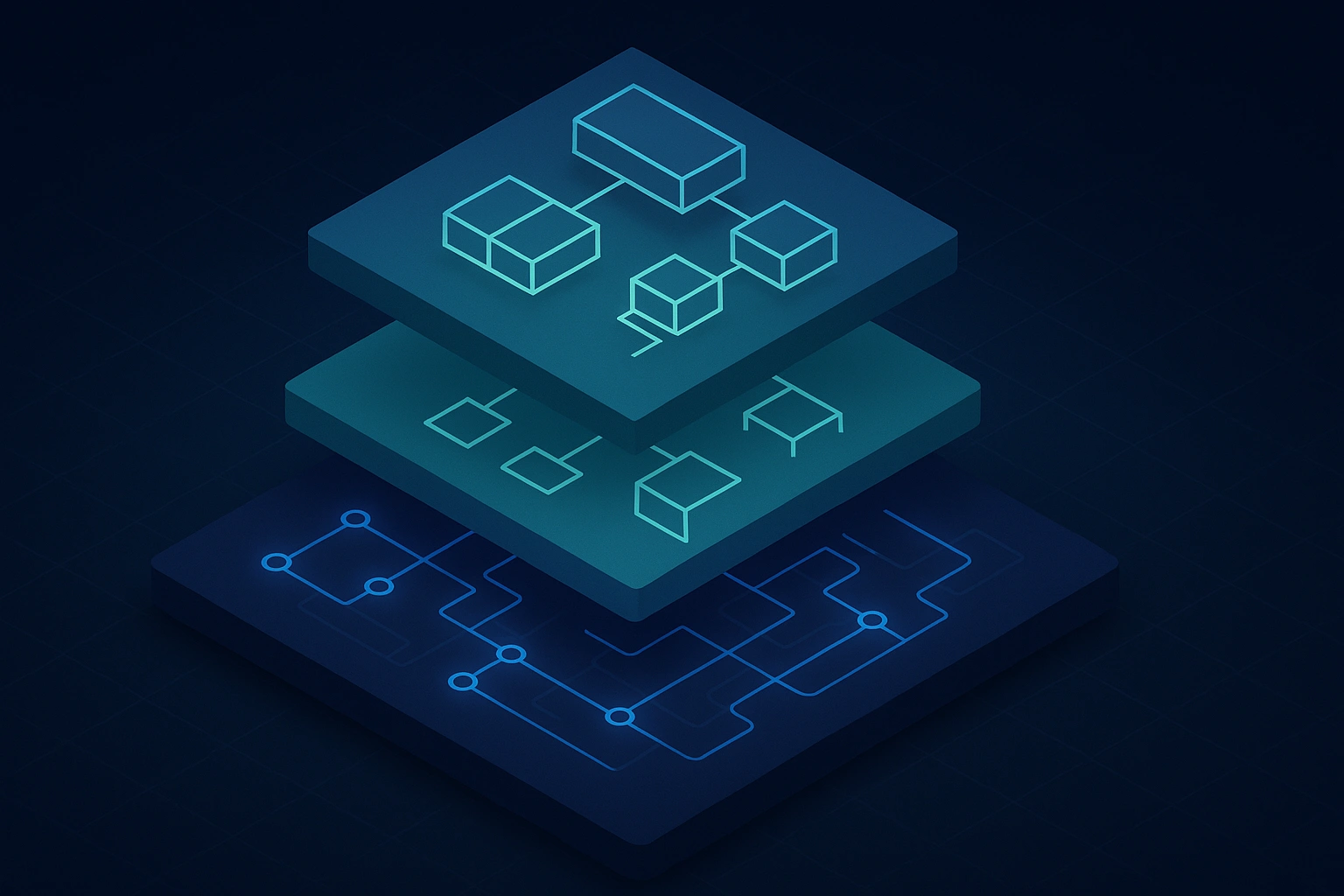
Sie zu GRC zu integrieren erzeugt eine einzige Quelle der Wahrheit. Eine regulatorische Pflicht wird einer Richtlinie zugeordnet, die Richtlinie einer Reihe von Kontrollen, jede Kontrolle mindert ein oder mehrere registrierte Risiken, und jede Kontrolle erzeugt Nachweise, die in die Compliance-Berichterstattung einfließen. Wenn sich eine Vorschrift ändert, pflanzt sich die Auswirkung durch die Kette fort — zu den betroffenen Richtlinien, Risiken und Kontrollen — anstatt von drei Teams unabhängig neu entdeckt zu werden.
Diese Integration bringt drei praktische Vorteile: Sie beseitigt redundanten Aufwand über Funktionen hinweg, sie gibt der Führung eine konsolidierte Sicht auf die Risiko- und Kontrolllage, und sie verkürzt Audit-Zyklen, weil Nachweise bereits mit den Pflichten verknüpft sind, die sie erfüllen.
Gängige GRC-Tools
Die meisten Organisationen betreiben GRC über eine dedizierte Plattform — Archer, ServiceNow GRC, OneTrust, MetricStream, LogicGate, Vanta oder Drata, unter anderen —, die die beweglichen Teile konsolidiert. Eine typische GRC-Plattform bietet:
- Richtlinienmanagement — Erstellung, Versionierung, Genehmigungsabläufe und Verteilung von Richtlinien, mit Nachverfolgung von Bestätigungen, die festhält, wer jede Richtlinie zur Kenntnis genommen hat.
- Risikoregister — ein strukturierter Katalog identifizierter Risiken, bewertet nach Eintrittswahrscheinlichkeit und Auswirkung, verknüpft mit Verantwortlichen, Maßnahmen und Überprüfungsplänen.
- Kontrollbibliotheken und Frameworks — Zuordnungen zu Standards wie ISO 27001, SOC 2, NIST CSF und dem EU AI Act, sodass eine einzige Kontrolle mehrere Frameworks gleichzeitig erfüllen kann.
- Nachweissammlung und Audit-Management — Repositorien für die Artefakte, die belegen, dass Kontrollen wirken, mit Abläufen für interne und externe Audits.
- Berichterstattung und Dashboards — konsolidierte Sichten auf die Risikolage, die Kontrollabdeckung und den Compliance-Status für Führungskräfte, den Vorstand und Aufsichtsbehörden.
Das prägende Merkmal dieser Plattformen ist, dass sie Systeme der Aufzeichnung sind. Sie dokumentieren Absichten, verfolgen den Status und stellen Nachweise zusammen. Sie beschreiben, was wahr sein sollte, und sammeln Belege dafür, ob es so ist — aber sie stehen selbst nicht im Pfad der Aktivität, die sie regeln.
Der aufkommende Bedarf an AI-Governance
AI führt Risiken ein, die bestehende GRC-Programme nie adressieren sollten, und es führt sie schneller ein, als Richtlinienzyklen sie aufnehmen können. Drei Kategorien sind am wichtigsten.
Schatten-AI ist die Nutzung nicht genehmigter AI-Tools außerhalb jedes freigegebenen Prozesses — Mitarbeitende, die Arbeit in Verbraucher-Chatbots einfügen, Teams, die ungeprüfte APIs anbinden. Es ist das Äquivalent von Schatten-IT im AI-Zeitalter, aber schwerer zu erkennen, weil die Aktivität innerhalb gewöhnlicher Web-Sitzungen stattfindet.
Datenabfluss tritt auf, wenn sensible Daten über Prompts in AI-Systeme gelangen, über Antworten zutage treten oder von Agenten weitergesendet werden. Vertrauliche Informationen verlassen die Organisation nicht als markierte Datei, sondern als frei formulierter Prompt-Text, den eine herkömmliche Kontrolle nie prüft.
Agentische Aktionen entstehen, wenn autonome AI-Agenten folgenreiche Schritte unternehmen — Tools aufrufen, Datensätze verändern, mit externen Diensten transagieren — im Auftrag von Nutzern. Jede Aktion ist ein Governance-Ereignis, doch die meisten erfolgen ohne angewandte Richtlinie und ohne erzeugte Audit-Aufzeichnung.
Deshalb hat sich "AI-Governance" — manchmal AI-GRC genannt — als eigenständige Disziplin herausgebildet. Frameworks wie das NIST AI Risk Management Framework, ISO/IEC 42001 und der EU AI Act definieren nun spezifische Pflichten für AI, und GRC-Programme werden ausgeweitet, um sie abzudecken.
Die Lücke zwischen Dokumentation und Durchsetzung
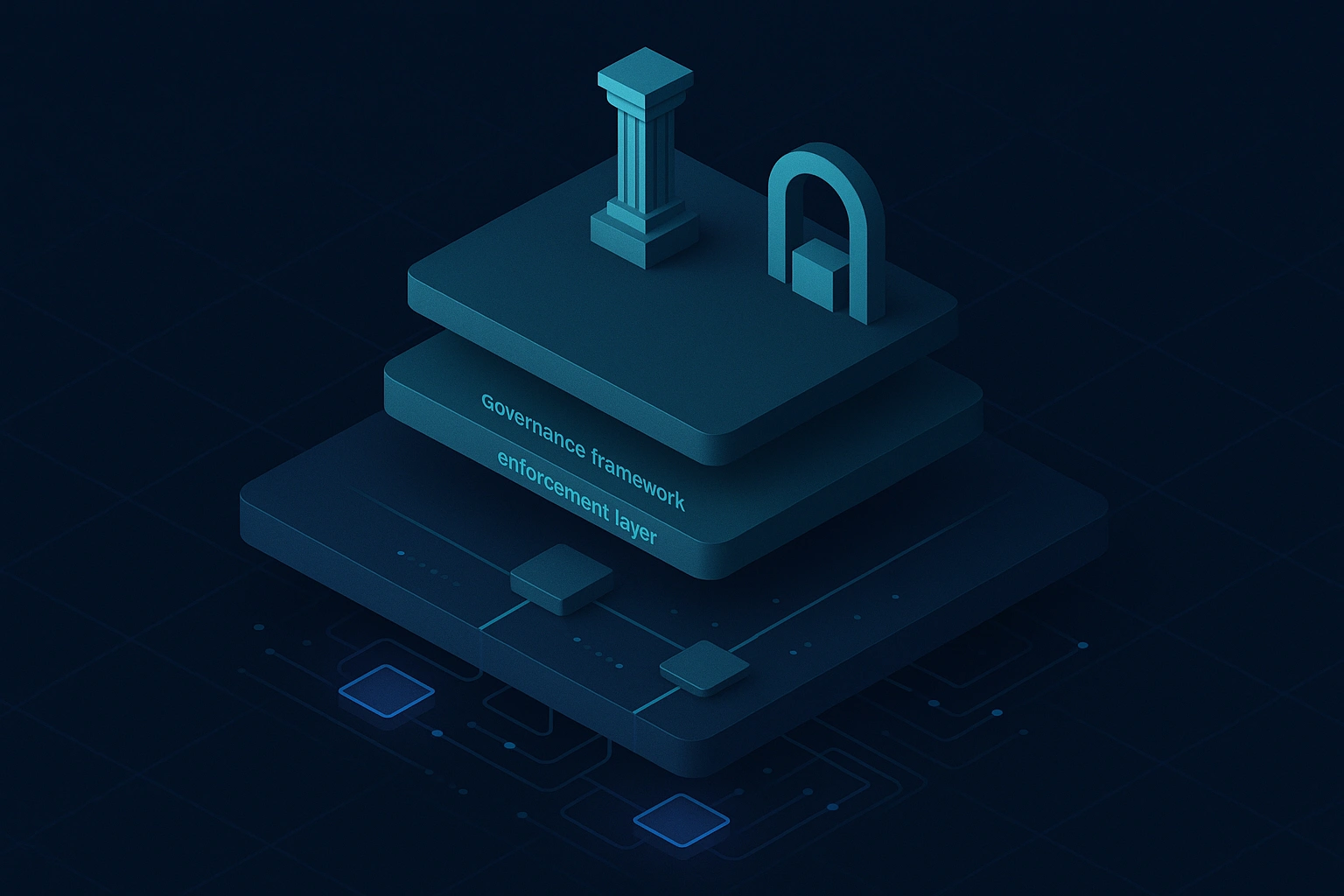
Die strukturelle Grenze von GRC für AI ist die Lücke zwischen Dokumentation und Laufzeit-Durchsetzung. Eine GRC-Plattform kann eine AI-Nutzungsrichtlinie vorhalten, das Risiko eines Datenabflusses registrieren und beide einem Kontroll-Framework zuordnen. Was sie nicht kann, ist im Pfad eines Mitarbeiter-Prompts oder eines Agenten-Tool-Calls zu stehen und diese Richtlinie in dem Moment durchzusetzen, in dem die Aktion erfolgt.
| GRC-Plattform | Laufzeit-Durchsetzungsschicht | |
|---|---|---|
| Primäre Rolle | Richtlinie dokumentieren, Risiko verfolgen, Nachweise sammeln | Richtlinie auf laufende AI-Aktivität anwenden |
| Zeitpunkt der Aktion | Vor und nach dem Ereignis (Planung, Audit) | Im Moment des Prompts, der Antwort oder des Tool-Calls |
| Was sie erzeugt | Richtlinien, Risikoregister, Bestätigungen | Zulassen-/Blockieren-/Schwärzen-Entscheidungen je Interaktion |
| AI-Abdeckung | Richtlinien- und Risikodokumentation für AI-Nutzung | Prüfung von Prompt, Antwort und Agenten-Aktion |
| Nachweisart | Selbst gemeldeter Status und gesammelte Artefakte | Manipulationssichere Aufzeichnung dessen, was tatsächlich geschah |
Eine Richtlinie, die besagt "Keine Kundendaten in externe AI-Tools einfügen", ist Dokumentation. Eine Kontrolle, die die Kundendaten im Prompt erkennt und sie vor der Übermittlung blockiert, ist Durchsetzung. GRC besitzt Ersteres; für Letzteres ist es auf eine Durchsetzungsschicht angewiesen.
Fragen, die ein AI-Governance-Programm beantwortet
- Wie lautet unsere AI-Nutzungsrichtlinie, und wer hat sie bestätigt? — Richtlinienmanagement mit Nachverfolgung von Bestätigungen.
- Welche AI-Risiken sind registriert, und wie werden sie behandelt? — Risikoregister-Einträge für Schatten-AI, Datenabfluss und agentische Aktionen.
- Sind unsere AI-Kontrollen den Frameworks zugeordnet, die wir erfüllen müssen? — Kontroll-Zuordnungen zum EU AI Act, ISO/IEC 42001 und NIST AI RMF.
- Können wir nachweisen, dass die Richtlinie tatsächlich durchgesetzt wurde? — Manipulationssichere Audit-Nachweise aus der Laufzeitschicht, nicht selbst gemeldeter Status.